
'Education Programs'

Education is a fundamental right, yet poverty and economic hardship continue to deprive many children in Nepal of consistent schooling, leading to irregular attendance and high dropout rates. To safeguard this right, Solidarity for Development Nepal (SoD Nepal) has been implementing a wide range of initiatives, including scholarships, distribution of school uniforms and educational materials, as well as nutrition support through mid-day meals. These efforts directly address the barriers that prevent disadvantaged children from accessing education, ensuring continuity in learning and encouraging regular participation in school activities.
In addition to these supports, SoD Nepal has also introduced vocational training courses to equip students with practical skills that prepare them for employment and self-reliance. By integrating vocational education alongside formal schooling, the organization helps young learners explore career pathways in fields such as hospitality, technology, and entrepreneurship. This holistic approach not only empowers children to pursue their studies but also inspires families to prioritize education. Together, these interventions strengthen the foundation for child empowerment, nurture the next generation of learners, and contribute to building a more sustainable and prosperous future for the nation.
Technical Education


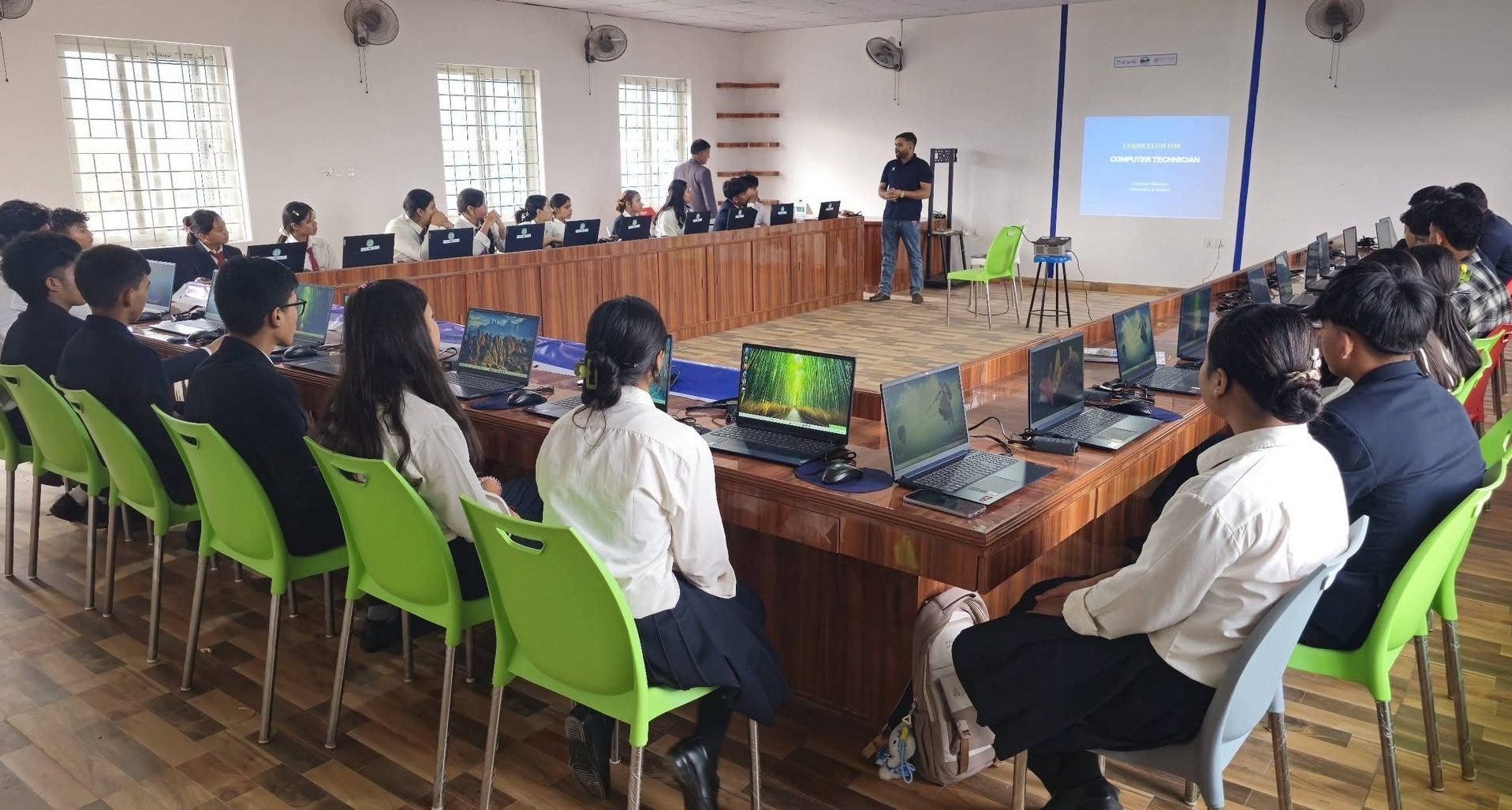


In Nepal, many students graduate with academic certificates but lack practical skills, which often leads to unemployment or forces them into labor migration abroad, particularly to Gulf countries. To address this challenge, Solidarity for Development Nepal (SoD Nepal) has introduced a technical education program that integrates academic learning with hands-on training, equipping students with employable skills and promoting self-reliance through local employment opportunities. By reducing dependency on foreign labor, the program contributes to sustainable community development.
Our vision is to engage students from grades 9 to 12 so that, upon completing high school, they also graduate with a nationally recognized technical education certificate in collaboration with the Council for Technical Education and Vocational Training (CTEVT). As Nepal’s autonomous apex body for Technical and Vocational Education and Training (TVET), CTEVT plays a vital role in developing skilled and technically competent human resources essential for the nation’s growth.
Currently, SoD Nepal successfully operates one technical institute and two technical programs across the country.
- The Balambu Technical Institute (BTI) in Chandragiri, Kathmandu, offers four courses: Assistant Beautician, Mobile Repairing and Maintenance, Building Electrician, and Automobile Repairing and Maintenance.
- At Shree Janapriya Secondary School in Simalchaur, Pokhara, Kaski, students at the higher secondary level receive training through a Computer Software Technical course.
- Similarly, at Shree Saraswati Tika Secondary School in Pokhara, Chirgadhi Kalikasthan, Kaski, a Culinary (Cook) technical class is offered to higher secondary students, preparing them for careers in the hospitality sector.

In April 2026, Solidarity for Development Nepal (SoD Nepal), in collaboration with the Dream Sharing Foundation (Korea) and Pokhara Metropolitan City, formally inaugurated newly constructed theory and practical classrooms for Culinary (Cook) Vocational Training at Shree Saraswati Tika Secondary School in Pokhara–33. Dedicated to technical education, the facility also includes a fully equipped laboratory, now successfully serving higher secondary students. The main objective of this initiative is to provide students with both academic knowledge and practical skills, enabling them to graduate with employable competencies, fostering self-reliance, and contributing to sustainable community development.
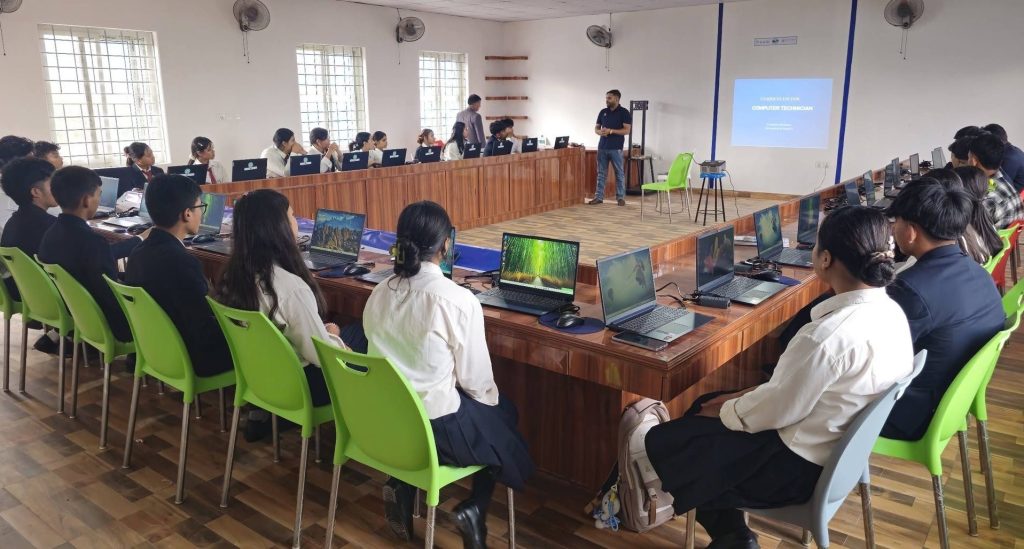
In April 2026, Solidarity for Development Nepal (SoD Nepal), in collaboration with Dream Sharing Foundation (Korea) and Pokhara Metropolitan City, formally inaugurated newly constructed theory and practical classrooms for Computer Vocational Training at Shree Janapriya Secondary School in Pokhara–8, along with a modern and advanced laboratory facilities. Designed for higher secondary students, the program combines practical training in a fully equipped lab with structured theoretical classes. This initiative aims to provide students with computer relevant skills, preparing them for meaningful careers in IT sector while fostering self-reliance and contributing to sustainable community development.

my choice program
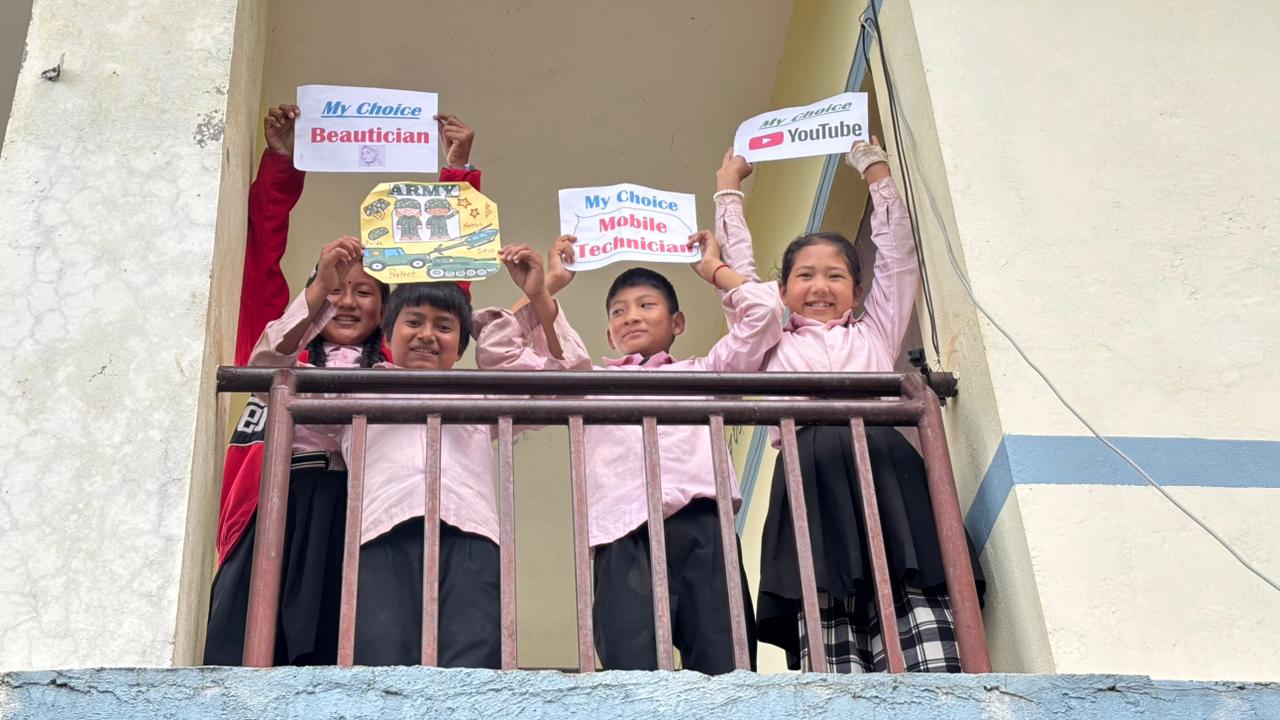
Most schools in Nepal continue to follow a monotonous and conservative education pattern, often overlooking the diverse interests and talents of students. To address this, Solidarity for Development Nepal (SoD Nepal) introduced the My Choice program, carried out in community schools and targeting students from the primary to lower secondary levels. The program provides a platform for young learners to explore their personal interests and engage in activities beyond the traditional classroom setting. By refreshing students’ minds through creative and extracurricular opportunities, it helps nurture curiosity, motivation, and self-expression.
The outcomes of the My Choice program have been encouraging, as it allows schools to recognize the capacities and capabilities of their students while fostering confidence and creativity. By integrating such activities into the education system, the program contributes to a more holistic learning environment where children are not only focused on academics but also encouraged to pursue their passions. This approach strengthens overall student development and supports the vision of building a more engaging and meaningful education system in Nepal.
Career education development
( dream Job)
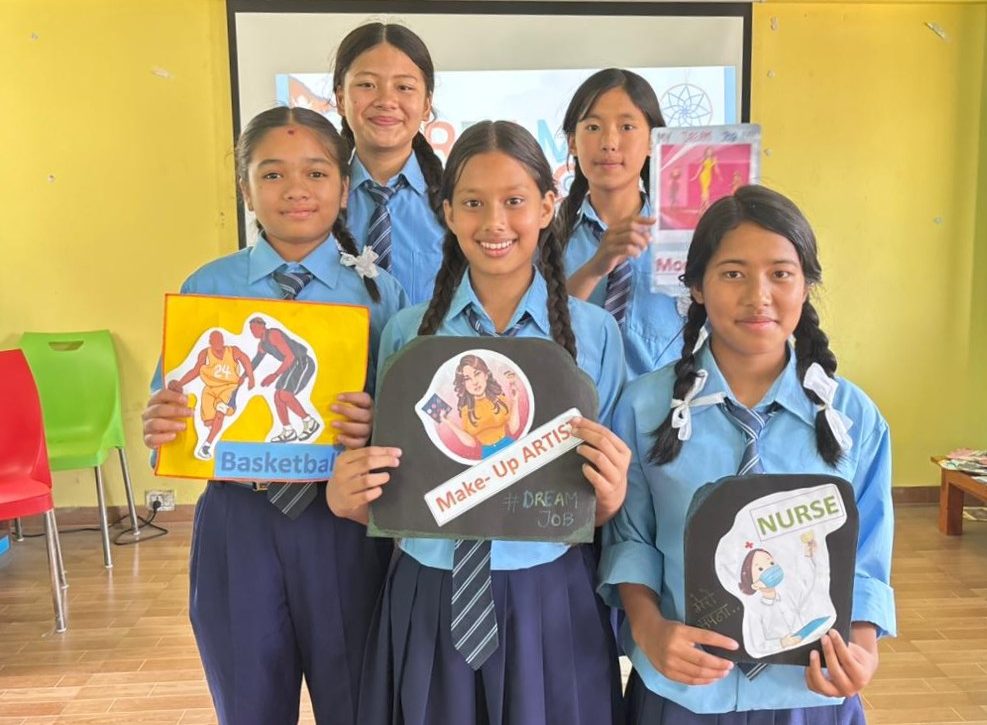
In Nepal, the absence of structured career guidance has left many students pursuing education without clear goals or direction, often resulting in frustration, unemployment, or migration abroad in search of opportunities. To address this gap, SoD Nepal has introduced a career counseling initiative called ‘Dream Job.’ This program emphasizes the importance of having aspirations and setting life goals, helping students understand that education must be linked to purpose and opportunity.
Through interactive sessions, workshops, and counseling, Dream Job encourages students to explore diverse career paths, identify their strengths, and align their studies with future ambitions. The program also raises awareness about the wide range of job opportunities in Nepal that often go unnoticed, highlighting emerging fields in technology, hospitality, entrepreneurship, and other sectors. Dream Job aims to reduce the mass migration of youth abroad and instead foster a generation that contributes to the nation’s growth.
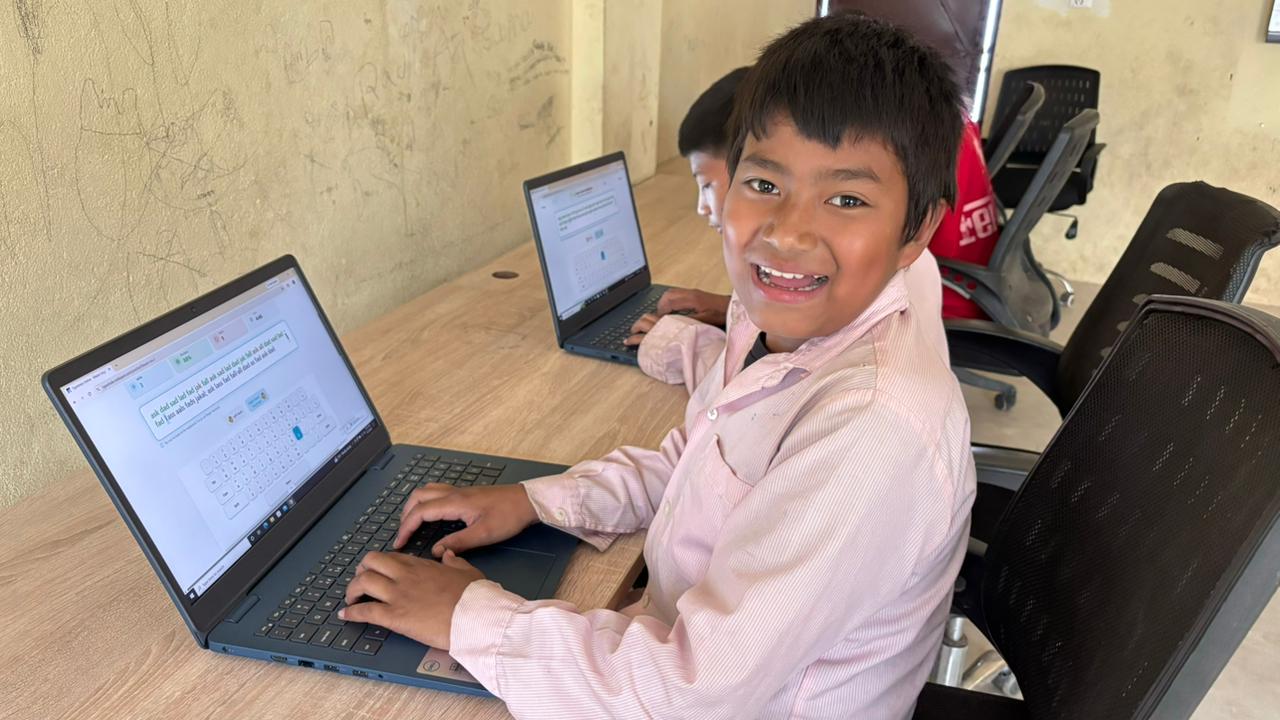
computer distribution to the students
To strengthen the role of technology in education, SoD Nepal has launched an initiative focused on the distribution of ICT equipment to community schools. By providing essential resources such as computers, CC cameras, and projectors, the program ensures that students gain exposure to modern tools that enhance both teaching and learning.
This effort equips classrooms with interactive and practical learning opportunities, helping students develop digital literacy and preparing them for future academic and professional challenges. With access to ICT, schools can move beyond traditional methods, fostering innovation, engagement, and confidence among learners. Ultimately, the program contributes to bridging the digital divide and modernizing Nepal’s education system for the next generation.

UNIFORM/STATIONARIES' distribution to the students
SoD Nepal has been carrying out a vital initiative to support deprived students in community schools by distributing both stationery and school uniforms. These basic educational resources are often out of reach for children from economically disadvantaged families, creating barriers to learning and participation. By addressing these fundamental needs, SoD Nepal ensures that students are equipped with the tools and confidence required to pursue their studies effectively.
This program not only helps children continue their education without interruption but also promotes inclusivity and equity within the school environment. Providing uniforms fosters a sense of belonging and dignity, while access to stationery empowers students to engage actively in their lessons. Together, these supports act as a catalyst for positive change, motivating students to attend school regularly and inspiring them to reach their full potential through the transformative power of education.

scholarship program
Education in Nepal has greatly improved throughout the twentieth century; Nepal still faces many struggles, to date. Even though education is a weapon to improve one’s life many children are still deprived of education. Besides, a devastating earthquake in 2015 and recent pandemic of coronavirus have worsened the status of education. Thereupon, the SoD Nepal Organization seeks to improve the education system with reforms.SOD Nepal has been providing scholarship to more than 100 students. More than 1200 parents are benefitted from educational support.

GUARDIAN Interactions/Awareness Programs
Guardian counseling and interaction programs done by SoD Nepal help support student development by providing a supportive environment where students can learn and grow. These programs have helped improve communication and engagement between guardians, teachers, and administrators. This helps create a more cohesive and collaborative school community, and can also help ensure that students receive the support they need inside and outside the classroom. In overall, by providing opportunities for guardians to become more involved in the school community, these programs can help improve parent involvement and participation in their child’s education. This can lead to better academic outcomes and a more supportive home environment.

nutritious food for children
SoD Nepal has been actively supporting community schools through its mid-day meal program, ensuring that children from economically disadvantaged backgrounds receive proper nutritious food during school hours. Nutritious meals are a basic right of every child and play a vital role in both physical growth and mental development. Yet, many students in Nepal attend classes on an empty stomach because their families cannot afford adequate food. By providing mid-day meals, SoD Nepal helps bridge this gap, giving children the energy and focus they need to learn effectively.
The program has proven to be highly effective, not only improving children’s health but also motivating them to attend school regularly. Teachers have observed that after the introduction of mid-day meals, students rarely miss classes, and their participation in learning activities has increased. Beyond addressing hunger, this initiative contributes to child growth, school attendance, and the overall goal of sustainable education.

library support
SoD Nepal has been actively supporting community schools through its library support program, aimed at providing access to essential learning resources for students who lack sufficient books to explore new ideas and acquire basic education. Recognizing that libraries are vital for nurturing curiosity and knowledge, SoD Nepal has supplied necessary books and helped to operate libraries smoothly, and even contributed to the development of building structures to ensure sustainable facilities.
This initiative has been successfully implemented in several districts, including Gorkha, Chitwan, Bhaktapur, Kaski, and Dhading. By strengthening libraries in these communities, SoD Nepal is not only enhancing students’ access to educational materials but also fostering a culture of reading, self-learning, and exploration. The program ultimately empowers young learners to broaden their horizons, supports teachers in delivering quality education, and contributes to building stronger, knowledge-driven communities across Nepal.
INFORMATION COMMUNICATION AND TECHNOLOGY SUPPORT
1. Shree Mahalaxmi secondary School, Gorkha (With printer and CC camera) | 21 Set |
2. Shree Balambu Secondary School, Kathmandu (With Projector) | 15 Set |
3. Shree Chundevi Secondary School, Kathmandu (with printer, projector and CC camera) | 40 Set |
4. Prithvi Secondary School, Kaski | 15 Set |
5. Udaya Secondary School, Kaski | 13 Set |
6. Shree Arunodaya Secondary School, Tanahun | 12 Set |
Construction
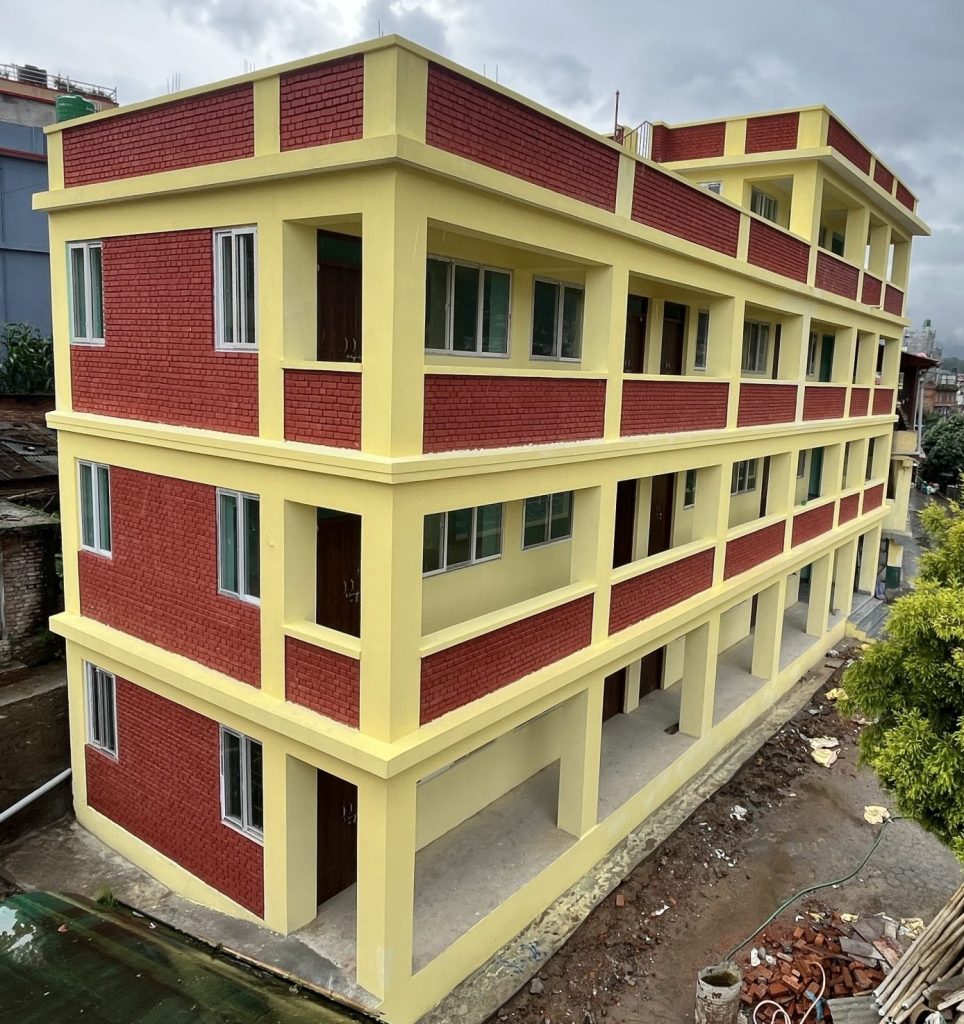
Balambu Technical Institute
Chandragiri-12, Kathmandu
2024
Solidarity for Development Nepal (SoD Nepal), in collaboration with Sharing the World Dream (Korea) and Chandragiri Municipality, has established the Balambu Technical Institute (BTI) by utilizing the infrastructure of Balambu Secondary School in Chandragiri–12, Kathmandu. BTI serves as a dedicated center for technical education and vocational training, actively offering four courses: Assistant Beautician, Mobile Repairing and Maintenance, Building Electrician, and Automobile Repairing and Maintenance.
Beyond providing practical skills, BTI plays a vital role in empowering local communities of Chandragiri and surrounding areas by promoting self-reliance and sustainable development. Through accessible training and employment-oriented education, the institute contributes to reducing dependency on foreign labor and fostering long-term community growth.
Following the devastating earthquake, many schools in Nepal collapsed, severely disrupting children’s education. In response, Solidarity for Development Nepal (SoD Nepal) swiftly undertook the construction of Mahalaxmi Secondary School in Gorkha Municipality, Taple–2, utilizing its resources and partnerships to ensure rapid recovery. Remarkably, the project was completed within just eight months of the disaster, and the timely handover of the school played a crucial role in safeguarding the education of local children during this critical period. By restoring access to learning, SoD Nepal helped protect the future of students and supported the community’s resilience in the aftermath of the earthquake.

Mahalaxmi Secondary School
Taple-2, Gorkha
2015

Temporary Learning Classes (TLC)
Different districts of Nepal
2015
The disastrous earthquake not only destroyed infrastructure but also deeply affected the mental well-being of communities, creating significant challenges for students to continue their education. With school buildings collapsed and learning spaces disrupted, Solidarity for Development Nepal (SoD Nepal) responded by establishing Temporary Learning Classes (TLCs) at various locations. These TLCs provided safe and accessible environments where children could pursue their studies without interruption, ensuring continuity of education during a critical recovery period and helping restore hope and stability for affected families.